
Winter kindness activities for kids are small, repeatable actions that help children stay kind and connected during cold-weather routines like snow days, indoor recess, and long weeks inside. You can start with 1 indoor idea (like a kind note station), 1 outdoor idea (like a thank-you for a community helper), and 1 classroom-friendly option (like a daily “kindness move”). If you want an easy, low-prep extension, you can pair your plan with free printable kindness crafts that keep kindness visible on the fridge, classroom wall, or student desk.
This guide helps you choose 1–2 activities that fit your time and your kids, then keep going with a simple tracking option that does not require prizes. You will also get indoor recess ideas, snow day kindness ideas, and quick reflection prompts that build empathy without turning kindness into a lecture.
Winter can feel long for kids and grown-ups. Small kindness routines are a gentle way to lower friction, strengthen inclusion, and help kids practice repair when things get tense.
At A Glance
Ages And Grades
These winter kindness activities work best for Pre-K through grade 5, with easy tweaks for middle school. Younger kids do best with visual cues, short scripts, and jobs that take 2 minutes or less. Older kids do better with choice, privacy, and small leadership roles.
If you are working with a mixed-age group, keep the activity the same but change the output. For example, everyone can write a kind note, but younger kids can draw and dictate while older kids write full sentences and deliver the notes respectfully.
Time And Prep Level
You can run winter kindness in small pockets of time. A quick start is often more successful than a big plan that never happens.
- 10 minutes: pick 1 indoor activity and 1 outdoor activity, set a “when,” and start today
- 20–30 minutes: build a note station, make simple cards, or run an indoor recess inclusion routine
- 30–60 minutes: do an outdoor kindness walk or a family “helping hands” project with adult supervision
The best plan is the one that fits your real week. It is okay to choose the easiest option, especially in winter.
Materials List
Most of what you need is already in your home or classroom: paper, markers, sticky notes, tape, and recycled cardboard. Optional add-ons include a jar or envelope for notes and a simple tracker sheet.
If supplies are limited, keep it even simpler. Kindness can be a sentence, a drawing, a helpful job, or a friendly greeting. You do not need special materials to practice kindness.
What Winter Kindness Activities Mean

Winter kindness activities are small actions kids can repeat indoors or outdoors to help others, include others, and use kind words during winter routines.
You can also say it like this: “Winter kindness is a way to warm someone’s day when it is cold outside.” That simple frame helps kids understand the goal without pressure.
Why Winter Is A Great Time To Practice Kindness
Winter changes routines. Kids have more indoor time, more waiting, and fewer chances to move. That can lead to more frustration and more conflict, even for kids who usually do well.
Kindness is a practical skill for winter because it supports emotional regulation and inclusion. When kids practice kind words, helpful actions, and repair, they build habits that make home and school feel calmer.
Simple Reflections
Reflection does not need to be long. One question before and one question after is enough.
Try questions like:
- “Who did you help today, and how?”
- “What kind words helped someone feel included?”
- “When was it hard to be kind, and what helped?”
- “If you could do one moment again, what would you change?”
- “What is one small kindness you want to try tomorrow?”
For younger kids, offer choices. “Did you help with your hands, your words, or your smile today?” That keeps reflection concrete and doable.
How To Start A Winter Kindness Challenge In 10 Minutes
The 3-Step Winter Kindness Setup
Step 1: Pick 1 indoor and 1 outdoor activity. Choose options you can repeat all week. Repeating helps kids build the habit faster than constantly switching ideas.
Step 2: Pick your “when.” Attach kindness to a routine you already have, like after school, morning meeting, dinner, or bedtime. When the “when” stays the same, kids remember more easily.
Step 3: Choose a tracking method. Keep it simple and calm. A check mark, a jar bead, or a weekly question works well without turning kindness into a contest.
If you want, name your challenge something friendly like “Warm Hands Week” (helping) or “Kind Words Week” (encouragement). A simple theme helps kids focus.
Quick Examples
Use this table to choose a winter kindness activity fast. Pick 1–2 ideas that fit your setting, then repeat them for a week.
| Activity Type | Best Setting | Time | Ages |
| Kind Words Notes (Thank-You, Encouragement) | Indoor Home / Classroom | 10–20 min | 4–12 |
| Helping Hands Jobs (Tidy, Carry, Assist) | Indoor Home / Classroom | 2–10 min | 4–12 |
| Inclusion Routine (Invite, Partner Up, Share Space) | Indoor Recess / Classroom | 5–15 min | 5–12 |
| Community Helper Appreciation | Outdoor / Community | 10–20 min | 5–13 |
| Winter Kindness Walk (Notice + Help) | Outdoor (Adult-Led) | 20–40 min | 5–13 |
If your week is packed, start with kind words notes and helping hands jobs. Those are quick, low-mess, and easy to repeat.
Make It Work For Different Kids
Some kids love speaking up. Others prefer quiet kindness. Offer options so every child can participate without feeling put on the spot.
- Shy kids: quiet kindness like drawing a note, doing a behind-the-scenes helper job, or practicing one friendly greeting
- High-energy kids: movement-based kindness like carrying books, resetting chairs, helping shovel with an adult, or delivering notes
- Sensitive kids: self-kindness and repair language like “I can try again” and “Let’s fix it fast”
The goal is not to force a certain personality. The goal is to help each child practice kindness in a way that feels safe and realistic.
Indoor Winter Kindness Activities For Kids

Indoor Kindness Activities At Home
Indoor winter kindness at home works best when it fits daily life. Choose small actions kids can do without needing a big setup.
Try simple repeatable ideas like:
- write or draw a kind note for someone in the house
- do 1 “help without being asked” job (shoes, coats, pet bowl, setting the table)
- share one “thank you” at dinner or bedtime
Keep it short and end on a win. A 2-minute kindness habit that happens 4 times a week is more powerful than a 30-minute plan that happens once.
Indoor Kindness Activities For School And Indoor Recess
Indoor recess can be a tough moment in winter. Kids have less space and less movement, and small problems can grow fast. Kindness activities help when they are structured, short, and easy to repeat.
Try an “indoor kindness station” with 2–3 choices:
- quick compliment notes (students pick a name and write one kind sentence)
- welcome messages (notes for new students or students who were absent)
- inclusion cards (kids write “You can play with us” or “Want to be partners?”)
You can also teach one simple inclusion routine: “See someone alone, invite them in.” Practicing that script before indoor recess makes it easier to use when kids are excited.
Cozy Kindness Crafts For Winter Days
Crafts can make kindness feel visible. A paper reminder on a desk or fridge helps kids remember their “kindness move” without you repeating it all day.
Cozy winter options that stay low-prep:
- kindness bookmarks with one kind phrase (“You matter,” “You can join us”)
- a paper chain where each link names one kind moment from the week
- simple “warm words” cards that kids can give to helpers or family members
Use crafts to support the habit, not replace it. The craft works best when it points back to a small action kids can repeat tomorrow.
Outdoor Winter Kindness Activities For Kids

Neighbor And Community Helper Kindness
Outdoor winter kindness can be simple and respectful. Focus on actions that are safe, welcome, and not intrusive.
Try ideas like:
- write a thank-you note for a mail carrier, crossing guard, bus driver, or coach
- leave a kind message for a neighbor you know (with family permission)
- do a small helpful task with an adult, like carrying in bins or brushing snow off a shared step
Keep dignity in mind. It is usually better to offer help to people you know, or to focus on community helpers where appreciation is clearly welcome.
Snow Day Kindness Ideas
Snow days are a great time for “helping hands” because kids can see the need and the result. Keep tasks age-appropriate and adult-supervised.
Try a snow day plan like:
- “We will help in 1 small way, then we will play.”
- clear a small section of a walkway (kids do light work, adults handle heavy work)
- do a quick “kindness walk” and pick up litter safely with gloves where appropriate
You can also do an indoor snow day kindness option if the weather is too harsh. A short batch of thank-you notes still counts as service and care.
Cold Weather Safety Notes
Safety matters more than the perfect kindness idea. Set clear limits so winter kindness stays positive.
- dress for weather (warm layers, mittens, boots)
- set time limits (10–20 minutes outside can be plenty)
- keep tasks light (no heavy lifting, no icy areas, no unsafe tools)
- adult supervision for outdoor projects and community interactions
If the weather is extreme, switch to indoor kindness. A kind note, a helpful job, or a calm repair conversation is still winter kindness.
Winter Kindness Activities For Classrooms
A 15-Minute Classroom Routine
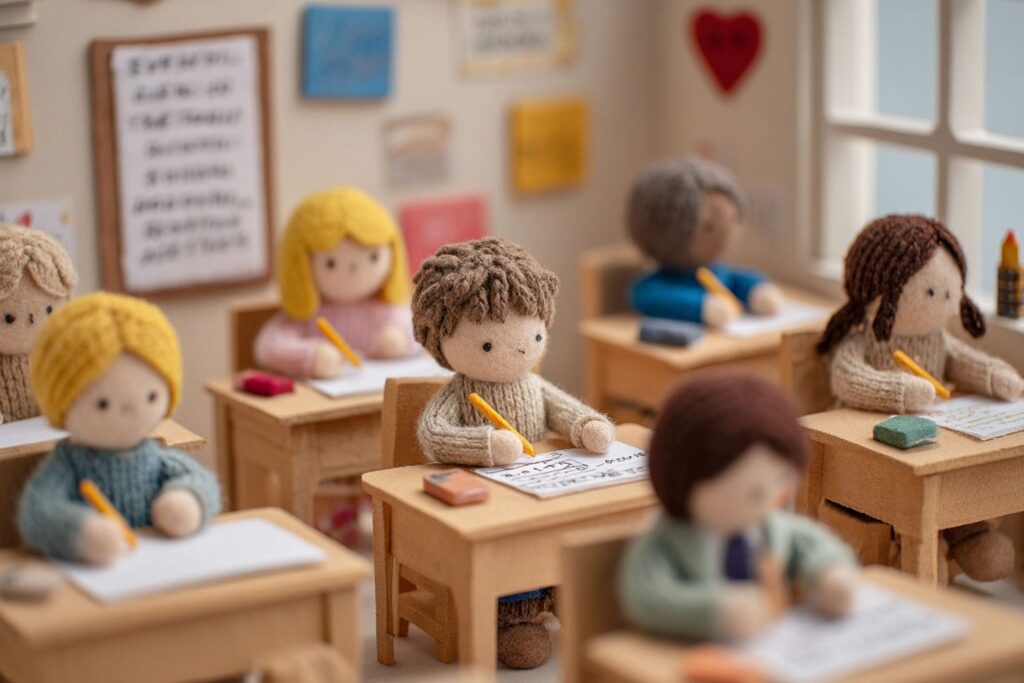
A winter kindness routine works best when it is short and repeatable. You can run it 3–5 days a week without adding a big new unit to your schedule.
Try a 15-minute flow:
- 3 minutes: name the kindness focus (kind words, helping hands, inclusion)
- 5 minutes: role-play one real classroom or recess moment
- 5 minutes: students choose a “kindness move of the day”
- 2 minutes: quick reflection or a calm shout-out
Keep the tone practical. Kindness sticks when kids know what to do in real moments, not just what kindness means.
K–2 Classroom Options
K–2 students do best with visuals, sentence stems, and quick practice. Give them words they can use right away.
Use supports like:
- stems: “Thank you for…”, “You can play with us,” “Can I help?”
- drawing-based notes for helpers
- buddy routines: “Invite someone new” with a simple script
In winter, it also helps to teach repair language early. A short “Fix It Fast” routine can prevent small problems from growing during indoor recess.
Grades 3–5 Classroom Options
Grades 3–5 students can handle more ownership and small leadership roles. They often enjoy having a clear job and a clear finish line.
Try:
- student roles for a kindness station (writer, materials, delivery helper, clean-up)
- small-group “inclusion plans” for indoor recess (how to invite, how to take turns)
- quick exit tickets: “Today I helped by…” or “Tomorrow I will…”
If you want a full plan with pacing, scripts, and examples, this classroom guide can help you run kindness routines in a realistic way: classroom kindness challenge.
Track Winter Kindness Without Rewards

Low-Tech Tracking Options
Tracking should be simple and calm. You are helping kids notice effort, not chase a prize.
Low-tech options that work well in winter:
- a check mark on a calendar (daily or weekly)
- a jar where kids add 1 bead or pom-pom for effort
- a weekly question: “What kindness did you practice?”
- a class chart that tracks “days we practiced kindness,” not individual points
If a child misses a day, treat it as normal. Kindness is practice. The goal is to return to the routine.
Simple Digital Tracking Option
If you prefer a digital system, use a tool that keeps the focus on noticing and repeating, not scoring. A simple tracker can help you remember what you chose and keep the routine consistent.
You can use the Christmas Tree of Kindness app to track and organize kindness acts in one place, especially if you are doing a week-long winter kindness challenge at home or in a classroom.
Keep the digital approach lightweight. A quick log and a short reflection is enough.
Weekly Reset Script
A weekly reset helps kids keep going without pressure. It also teaches reflection and repair in a calm way.
Use 3 questions:
- “What worked this week?”
- “What was hard?”
- “What is one small change we can try next week?”
You can do this at bedtime, Monday morning, or Friday afternoon. Choose one time and keep it consistent.
Keep It Going All Winter

Turn One Activity Into A Weekly Habit
Winter kindness lasts longer when you repeat the same idea weekly. Repetition reduces decision fatigue and makes kindness feel normal.
Try weekly themes:
- Week 1: kind words (notes, compliments, encouragement)
- Week 2: helping hands (small jobs, tidy-ups, classroom helpers)
- Week 3: inclusion (invites, partner routines, noticing who is alone)
Keep your “when” the same each week. When kindness is attached to a routine, kids do not need constant reminders.
Pair It With A Simple Kindness Goal
Pairing a winter activity with 1 small goal helps kids focus. Keep goals short, specific, and in the child’s control.
Examples:
- “I will thank 1 helper each week.”
- “I will invite someone to join me once this week.”
- “I will fix it fast if my words hurt someone.”
If you want help turning kindness into simple “I will” goals kids can keep, use this guide as your next step: kindness resolutions for kids.
More Kindness Ideas If You Want A Bigger Menu
A bigger list can be helpful when kids want more choices. The key is to use it like a menu, not a checklist.
Try this method: pick 10 ideas, let your child circle 2, then choose 1 to do this week. Save the rest for later so the plan stays simple.
If you want an optional menu of ideas you can pull from across the year, this acts of kindness list can help you choose without starting from scratch: more kindness ideas.
Wrap-Up And Next Step
Winter kindness works when it is small, repeatable, and attached to routines you already have. Choose 1 indoor kindness habit and 1 outdoor kindness habit for the week, then track effort with a calm reset instead of chasing perfection.
If you want a simple “Light” that keeps kindness visible during winter, start with printable kindness crafts and choose one easy craft that matches your theme.
FAQs
Winter kindness activities are small indoor or outdoor actions kids can repeat during winter routines to help others, include others, and use kind words.
Good snow day options include kind notes, thank-you cards, “helping hands” jobs at home, and a cozy kindness craft kids can finish in 20-30 minutes.
Easy classroom options include a kindness station, compliment notes, buddy inclusion routines, and a 15-minute daily “kindness move” practice.
Pick 1–2 activities, track effort with check marks or reflection, and use a weekly reset instead of perfect streaks.
Safe ideas include thank-you notes for helpers, supervised neighborhood clean-up with gloves where appropriate, and age-appropriate helping tasks with warm clothing and time limits.
Use quiet kindness like drawing a kind note, doing a behind-the-scenes helper job, or practicing one friendly greeting a day.
Repeat the same activity weekly, tie it to a routine, and use a simple goal like “I will thank 1 helper each week.”